
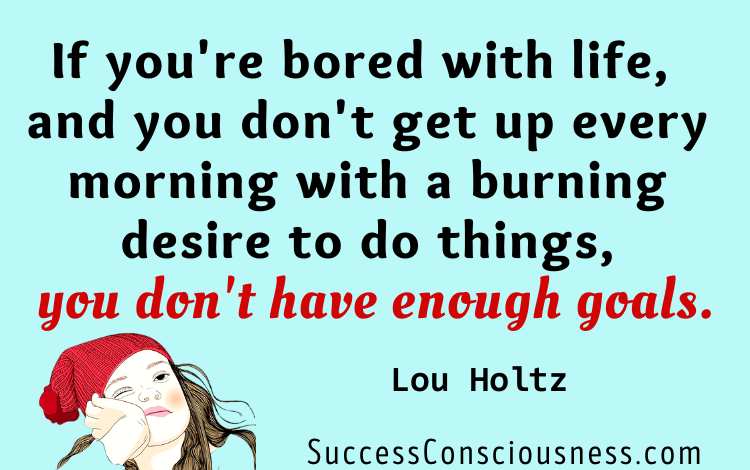
Boredom is often treated as a problem that needs to be eliminated as quickly as possible. The moment it appears, many people instinctively reach for their phone, scroll social media, watch videos, or look for something, anything, to fill the empty space. Yet boredom itself is not the real issue. It is a signal.
In modern life, boredom usually arises not from a lack of things to do, but from a scattered, overstimulated mind. When attention is constantly pulled outward, moments of stillness feel uncomfortable. The mind, used to stimulation, interprets quiet as boredom.
This article explores what boredom really means, why it feels so unsettling today, and what you can do when boredom arises, without immediately escaping into distractions. When approached consciously, boredom can open to calm and inner renewal.
What Boredom Really Is (And What It Is Not)
Boredom is often misunderstood as emptiness or laziness. In reality, boredom is usually unused attention. When attention has nowhere meaningful to rest, it becomes restless.
Boredom is not:
- A lack of intelligence
- A personal failure
- Proof that life is meaningless
More often, boredom is a sign that the mind is accustomed to constant stimulation and no longer knows how to be at ease in simplicity.
Download this free 3-step guide and start building focus and inner calm in just 5 minutes a day.
**Get the Free Guide**
Seen this way, boredom is not something to fight. It is something to understand.
Why Boredom Feels Stronger Today Than Ever
In the past, boredom often led people to reflection, creativity, or quiet activity. Today, instant entertainment is always available. This has changed the mind’s relationship with stillness.
Constant stimulation creates:
- Shortened attention span
- Difficulty staying with one activity
- Discomfort with silence
- Habitual need for novelty
As a result, even brief pauses feel uncomfortable. Boredom appears quickly, not because life is empty, but because the mind has lost the habit of resting within itself.
Boredom as a Signal, not a Problem
Instead of asking, “How do I get rid of boredom?”
A better question is: “What is boredom pointing to right now?”
Boredom may signal:
- Mental fatigue from overstimulation
- A need for rest rather than entertainment
- Disconnection from inner awareness
- Habitual avoidance of stillness
When boredom is met with awareness instead of escape, it often dissolves on its own.
👉 If boredom often turns into restlessness or distraction, explore The Art of Inner Space: Calm in a Crowded World.
What Not to Do When You Feel Bored
Before looking at what helps, it is useful to notice what often makes boredom worse.
Common reactions that reinforce restlessness:
- Mindless scrolling
- Jumping rapidly between activities
- Consuming more content without absorption
- Filling every pause with noise
These responses may relieve boredom momentarily, but they increase mental agitation and make boredom return faster.
What to Do When Bored (In a Conscious Way)
Boredom does not need to be filled with random activity. When approached consciously, it can become a doorway to calm, focus, and renewed energy. Instead of trying to escape boredom as quickly as possible, the following responses help you work with it rather than against it.
These are not meant to “kill time,” but to use time wisely, allowing attention to settle rather than scatter further.
1. Grounding Activities (Calm the Nervous System)
When boredom carries restlessness or inner agitation, grounding the body helps the mind settle naturally.
Simple grounding activities include:
- Taking a slow walk without music or a phone
- Standing still and noticing physical sensations
- Stretching gently and deliberately
- Sitting quietly and observing the breath
Grounding brings attention back into the body, reducing mental spinning and emotional tension.
2. Focused Activities (Train Attention)
Boredom often appears when attention is weak or scattered. Focused activities rebuild steadiness.
Examples include:
- Reading a few pages slowly, without multitasking
- Writing a paragraph with full attention
- Cleaning or organizing one small area mindfully
- Listening to music from beginning to end without distractions
The aim is not productivity, but single-pointed attention.
👉 If boredom often turns into distraction, explore Focus Builder: A 6-Lesson Journey to Mental Clarity.
3. Reflective Activities (Create Insight)
Quiet boredom can reveal inner needs that are usually drowned out by noise.
Reflective responses include:
- Journaling one simple question, such as “What feels unsettled right now?”
- Reviewing your day calmly, without judgment
- Sitting and allowing thoughts to arise without following them
- Gently considering what deserves more attention in your life
Reflection transforms boredom into understanding.
4. Creative Activities (Channel Mental Energy)
Boredom often holds unused creative energy. Channeling it outward brings quiet satisfaction.
Creative responses include:
- Writing ideas freely without structure
- Drawing or sketching without goals
- Rearranging a room or workspace
- Creating something simple with your hands
Creativity does not require talent but only presence.
5. Restorative Activities (True Rest)
Sometimes boredom is simply the mind asking for rest, not stimulation.
Restorative responses include:
- Sitting in silence for a few minutes
- Observing nature without commentary
- Closing your eyes and resting without sleeping
- Doing nothing intentionally, without guilt
This kind of rest restores mental energy more deeply than constant entertainment.
Choosing the Right Response
When boredom arises, ask yourself:
Does this moment need calming, focus, insight, creativity, or rest?
Responding consciously allows boredom to pass naturally, often leaving behind a sense of inner quiet instead of restlessness.
How Boredom Can Become a Doorway to Inner Calm
When boredom is no longer resisted, something unexpected happens. The restless energy behind it softens. Attention turns inward. A quiet sense of presence emerges.
Many people discover that boredom is often the threshold before:
- Mental clarity
- Creative insight
- Emotional settling
- Inner calm
But this threshold is crossed only when boredom is not immediately escaped.
Boredom, Attention, and Inner Space
Boredom is closely connected to attention. When attention is scattered, boredom feels uncomfortable. When attention becomes steady, boredom loses its power.
Learning to remain present during moments of boredom:
- Strengthens attention
- Reduces dependency on stimulation
- Builds inner stability
- Supports emotional balance
In this sense, boredom becomes a teacher rather than an enemy.
👉 If boredom often turns into restlessness or distraction, explore The Art of Inner Space: Calm in a Crowded World.
Frequently Asked Questions
Is boredom a bad sign?
No. Boredom often signals overstimulation or unused attention, not a lack of purpose.
Should boredom always be avoided?
Not necessarily. When met consciously, boredom can lead to calm and insight.
Can boredom improve creativity?
Yes. Many creative insights arise after periods of boredom and quiet.
Is boredom the same as laziness?
No. Laziness avoids effort; boredom seeks meaningful engagement.
How long does it take to feel comfortable with boredom?
With gentle practice, many people notice changes within weeks.
Final Thoughts: Learning to Stay with the Moment
You don’t need to eliminate boredom. You need to understand what it means. When you stop fleeing from it and start listening, boredom often reveals a deeper need for rest, presence, or inner quiet. The need to stop what you usually do, and rest instead of finding new stimulations
By responding consciously instead of automatically, you transform boredom from a source of discomfort into a gateway to balance and calm.
I would like to add that if you have a strong passion for something, such as a hobby, writing, learning a new language, painting, or meditation, and you really love it, you will never feel bored. You will want to fill every free minute doing the thing you love.
👉 If boredom often turns into restlessness or distraction, explore The Art of Inner Space: Calm in a Crowded World.
Refined and updated with practical wisdom for 2026 by Remez Sasson.
If you find this content helpful, we would truly appreciate it if you mention or link to SuccessConsciousness.com.
About the Author
 Remez Sasson is the founder of SuccessConsciousness.com, a global resource established in 2001. With decades of personal experience and 25 years of professional digital publishing he has written many articles, and created 11 eBooks, and 16 digital courses. His teachings have helped readers worldwide cultivate inner peace, self-mastery, and inner strength, empowering them to effectively shape their lives.